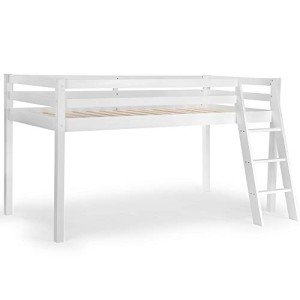
The Comprehensive Guide to Bunk Beds House: Maximizing Space and Functionality
Bunk beds are becoming increasingly popular in modern-day families, particularly for those living in minimal space. Whether in a kid's bedroom, a visitor space, and even a getaway home, bunk beds offer an innovative service for optimizing space while also accommodating multiple sleepers. This short article explores the different aspects of bunk beds, their style options, benefits, and considerations for upkeep to help anyone considering a bunk bed purchase make an informed decision.
Comprehending Bunk Beds
Bunk beds are a kind of bed that features one bed stacked on top of another, generally protected by a ladder or built-in stairs. They are typically made from wood or metal, with styles ranging from traditional to contemporary. Bunk beds are most typically used in kids's rooms, visitor lodgings, and summertime camps, but they can also be a great addition to studio apartments or homes.
Types of Bunk Beds
Comprehending the ranges of bunk beds can assist one choose the best design for one's requirements. Here are the typical types:
| Type | Description | Pros | Cons |
|---|---|---|---|
| Standard Bunk | 2 beds stacked on top of each other | Space-saving, classic design | Restricted sleeping capacity for adults |
| Loft Bed | A bed elevated with open space underneath for an office or play area | Offers extra functional space | Not perfect for more youthful kids |
| Futon Bunk | A bed on top, often with a futon on the bottom | Versatile for sleeping and seating | Less stability compared to traditional bunks |
| L-Shaped Bunk | 2 beds arranged in an L-shape, typically with storage alternatives | Unique design, can fit in corners | Uses up more space than standard bunk beds |
| Triple Bunk | Three beds organized vertically or in a distinct configuration | Optimizes sleeping space | Higher risk of accidents, more complex to make |
Benefits of Bunk Beds
Bunk beds use numerous benefits, making them a useful furniture choice for different living areas. The advantages include:
- Space Efficiency: Perfect for small rooms, they permit more floor space, making it simpler to walk around.
- Double Functionality: Especially when it comes to loft-style beds, the space underneath can be used for a study area, a play zone, or extra storage.
- Social Interaction: Bunk beds produce a sense of friendship among siblings or roommates, promoting sharing and bonding.
- Cost-Effective Sleeping Solution: They provide a cost effective method to accommodate multiple guests without the need to purchase additional different beds.
- Style Variety: With alternatives ranging from sleek contemporary styles to traditional wood structures, there is a bunk bed design to match any design.
Crucial Considerations for Bunk Beds
While bunk beds offer several advantages, there are certain factors to consider to bear in mind to ensure security and longevity:
- Weight Capacity: Always check the weight limit of the bunk bed to prevent mishaps. A lot of basic bunk beds have weight capabilities in between 200-400 pounds.
- Material Quality: Opt for resilient materials such as strong wood or state-of-the-art metal to make sure stability and durability.
- Safety Features: Look for designs with guard rails on the top bunk and wide ladders. Make sure that the bed feet are steady and safe.
- Age Appropriateness: Young kids need to not oversleep the leading bunk, as the risk of falling is significantly increased.
- Assembly: Some bunk beds can be complex to assemble. Guarantee that good guidelines are readily available, or think about expert assembly.
Upkeep of Bunk Beds
Correct maintenance of bunk beds is important for ensuring their convenience and safety. Here are some tips for maintenance:
- Regular Inspections: Periodically check the stability of the bed, ensuring all screws and parts are tight and secure.
- Cleaning up: Dust the furnishings regularly and clean up any spills right away to preserve the stability and look of the beds.
- Bed mattress Care: Rotate bed mattress occasionally to avoid wear and drooping. Consider hypoallergenic mattress protectors for included comfort and tidiness.
- Adjust if Moved: If the bed is relocated, readjust all elements to make sure continued safety and stability.
Frequently Asked Questions about Bunk Beds
Q1: Are bunk beds safe for children?A1: Yes, as long as safety standards are stuck to. Make sure the top bunk has guardrails, and that kids are old sufficient and accountable adequate to securely utilize the leading bunk. Q2: How much weight can a bunk
bed support?A2: Most bunk beds support in between 200 to 400 pounds per bed
, however this can differ by design. Always refer to the producer's requirements. More Help : Can adults oversleep bunk beds?A3: Yes, lots of contemporary bunk beds are
developed to accommodate adults, especially those with strengthened frames. Q4: Do bunk beds need unique mattresses?A4: Not necessarily. Standard mattresses can be utilized as long as they fit the
dimensions provided by the manufacturer. However,
think about using thinner bed mattress for the top bunk to guarantee safety clearance. Q5: How can I take full advantage of space in a room with bunk beds?A5: Use the location below for storage or desks, and consider integrating vertical storage
services to keep the space uncluttered. Bunk beds offer an outstanding solution for taking full advantage of space in a home while offering a stylish and practical sleeping arrangement. Whether for a kid's space, a visitor space, or a trip house, they are a versatile alternative that can accommodate numerous needs. By thinking about types, benefits, and appropriate maintenance, individuals can make educated choices, ensuring safety and durability in their bunk bed financial investment. With cautious selection, bunk beds can improve both comfort and aesthetic appeal in any space.